
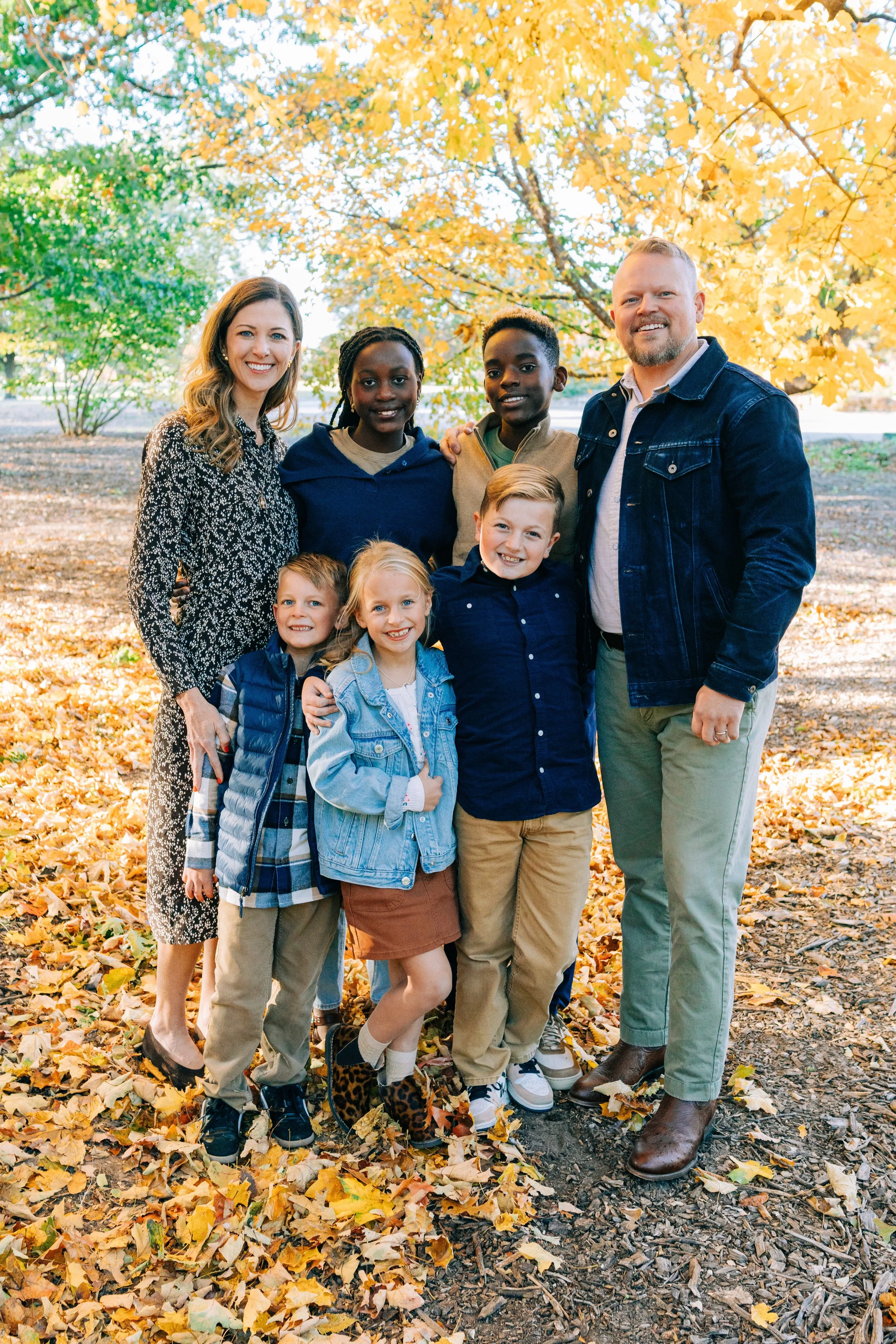

Who is Joshua?
My life was turned upside down in a moment.
One spring day, I pulled into my driveway and found my wife of fourteen years on the verge of death. Two days later, I became a widower and a single father to our three young children. Everything I had learned about grief through years of pastoral ministry and coaching suddenly became real—and I didn’t know if I would make it.
The deaths we face—whether literal or figurative, recent or long past—bring us face-to-face with our pain and the ways we have learned to survive it. We cannot simply go around grief or outrun it. But if we find our way through it—with someone trustworthy beside us—we can build a different future.
I help people find a way forward.
I work with men and women who recognize that the strategies that helped them survive the past are no longer serving them in the present. Together, we explore the stories, relationships, wounds, and desires that have shaped their lives so they can move toward greater freedom, connection, and wholeness.
My approach draws from attachment theory, emotional intelligence, interpersonal neurobiology, and narrative-focused trauma care. But tools and insight alone do not bring healing. Much of my work begins with offering a trustworthy presence—bearing witness to your wounds and desires with kindness and curiosity. There is something deeply healing about being genuinely seen and no longer having to carry your story alone.
I bring together over a decade of pastoral ministry, a Masters of Divinity from Covenant Theological Seminary, and advanced training in Narrative Focused Trauma Care through the Allender Center at The Seattle School of Theology & Psychology. As an ordained pastor and trauma-informed coach, I especially enjoy working with leaders, entrepreneurs, pastors, caregivers, and others who are accustomed to carrying responsibility for those around them.
Today, I live in Tulsa with my wife, Tara, and our ever–blending family of five children. When I’m not coaching, you can usually find me cooking for the people I love, fly fishing somewhere in the Ozarks, writing, or planning our next family adventure.


FAQs
Who is individual coaching for?
I work with people navigating grief, burnout, life transitions, relationship difficulties, questions of identity or calling, and places where they simply feel stuck. You don't need to be in crisis to seek support. Coaching can be a healthy space to better understand yourself, your story, and the life you want to live.
What is story coaching?
Our stories shape how we understand ourselves, relate to others, and move through the world. Story coaching helps you explore the experiences that have shaped you—including places of beauty, pain, and harm—and recognize how they may still be affecting your life today.
As a trauma-informed coach, I help you look back in order to move forward with greater freedom, awareness, and healthier ways of relating.
How do I begin?
Start with a free 30-minute Discovery Meeting. We'll get to know one another, talk about what brings you to coaching, and determine whether we're a good fit.
From there, we'll decide together on the focus and frequency of our work.
How do you integrate faith and spirituality?
My Christian faith and theological training shape how I understand people, relationships, healing, and growth. At the same time, our work is highly client-focused. You do not need to share my faith or theological perspective to work with me.
How long will we meet?
I generally recommend beginning with at least six months, which gives us time to develop trust and engage your story with depth. Some clients come for a particular season; others find longer-term coaching helpful. We'll regularly evaluate what is most useful for you.
Are you a licensed counselor?
No. I am not a Licensed Professional Counselor. My background includes theological and pastoral training from Covenant Theological Seminary and training in Narrative Focused Trauma Care through the Allender Center.
Good Shepherd Soul Care provides coaching and is not a licensed mental-health practice. Services are not a substitute for psychotherapy, psychiatric care, diagnosis, or treatment by a licensed mental-health professional. When a client's needs fall outside the scope of coaching, appropriate referrals will be recommended.
"We can grow up in homes in which the food finds the table, the money finds the college funds and the family even finds the church each Sunday, but somehow our hearts remain undiscovered by the two people we most need to know us: Our parents."
— Dr. Curt Thompson, The Soul of Shame
